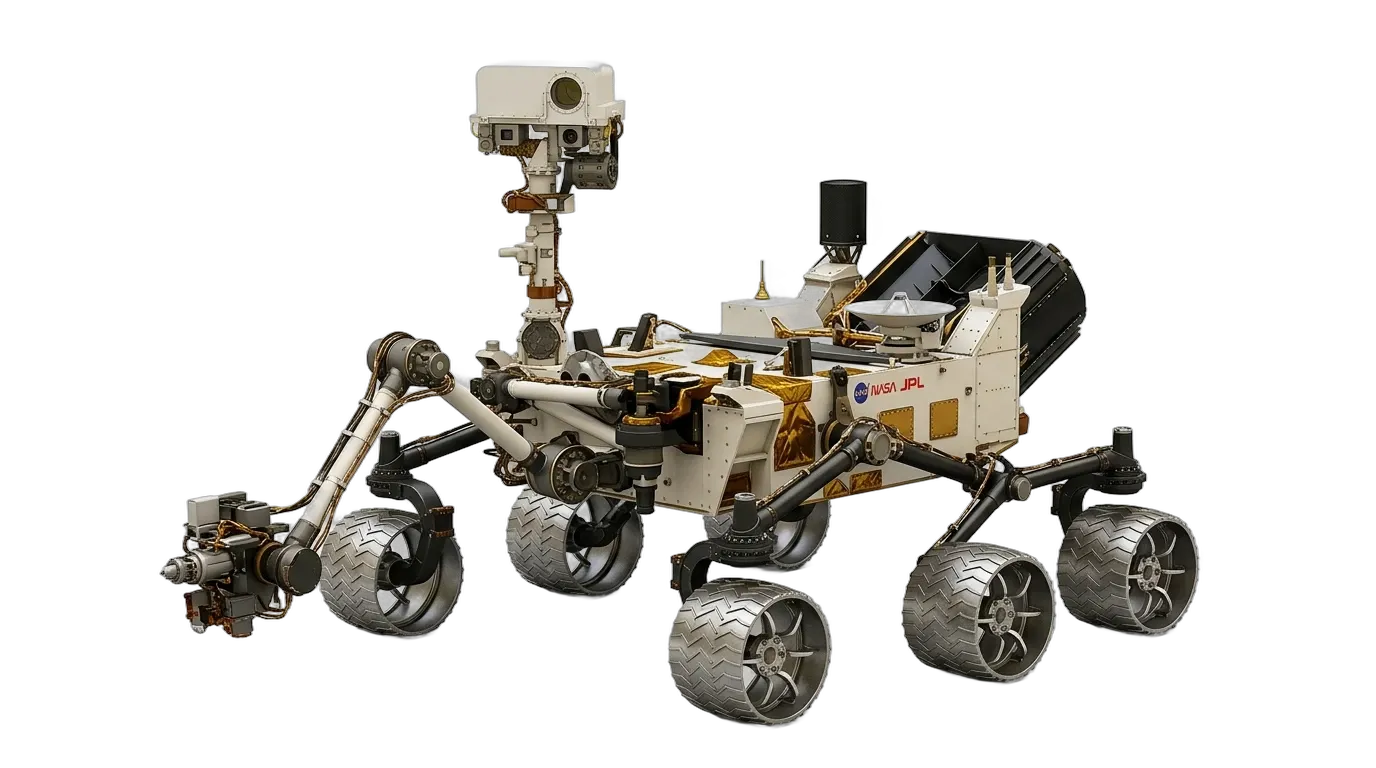
Ariane 1
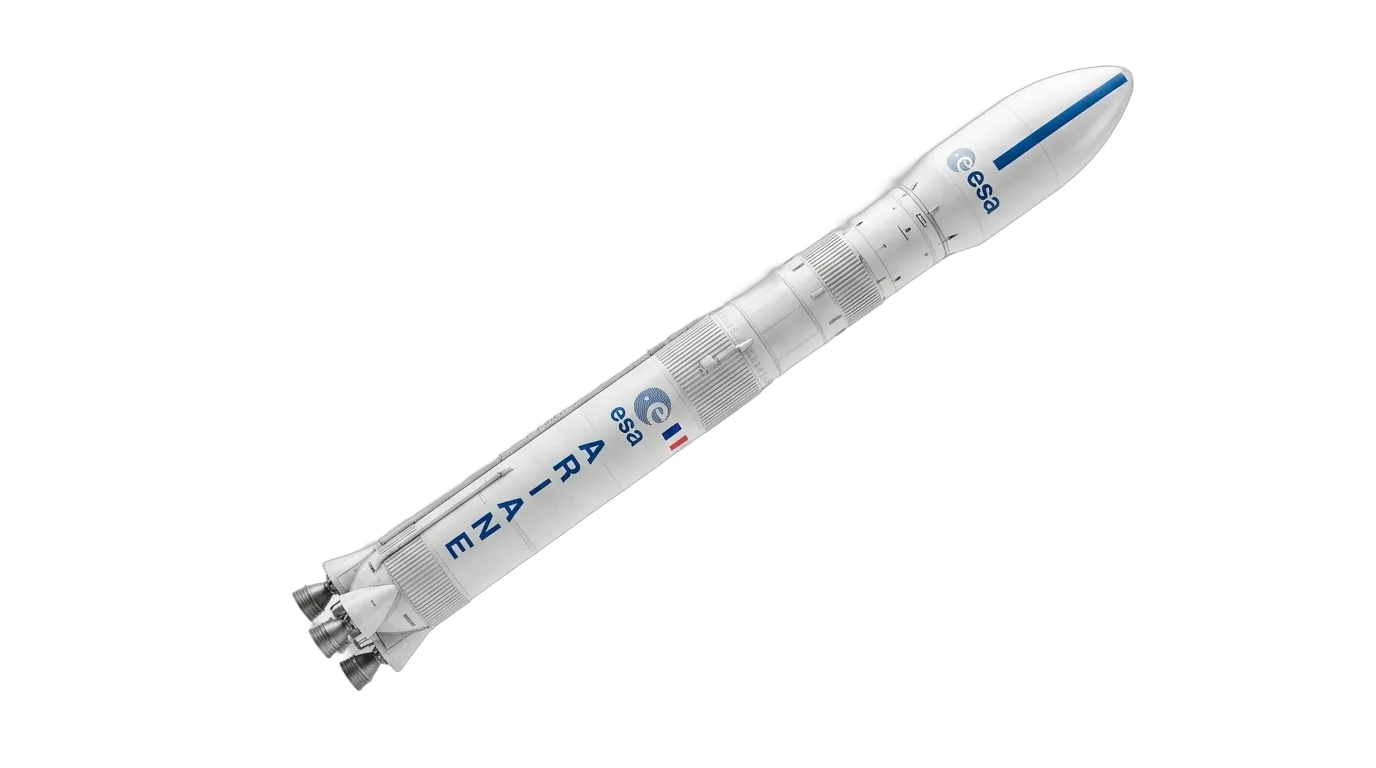
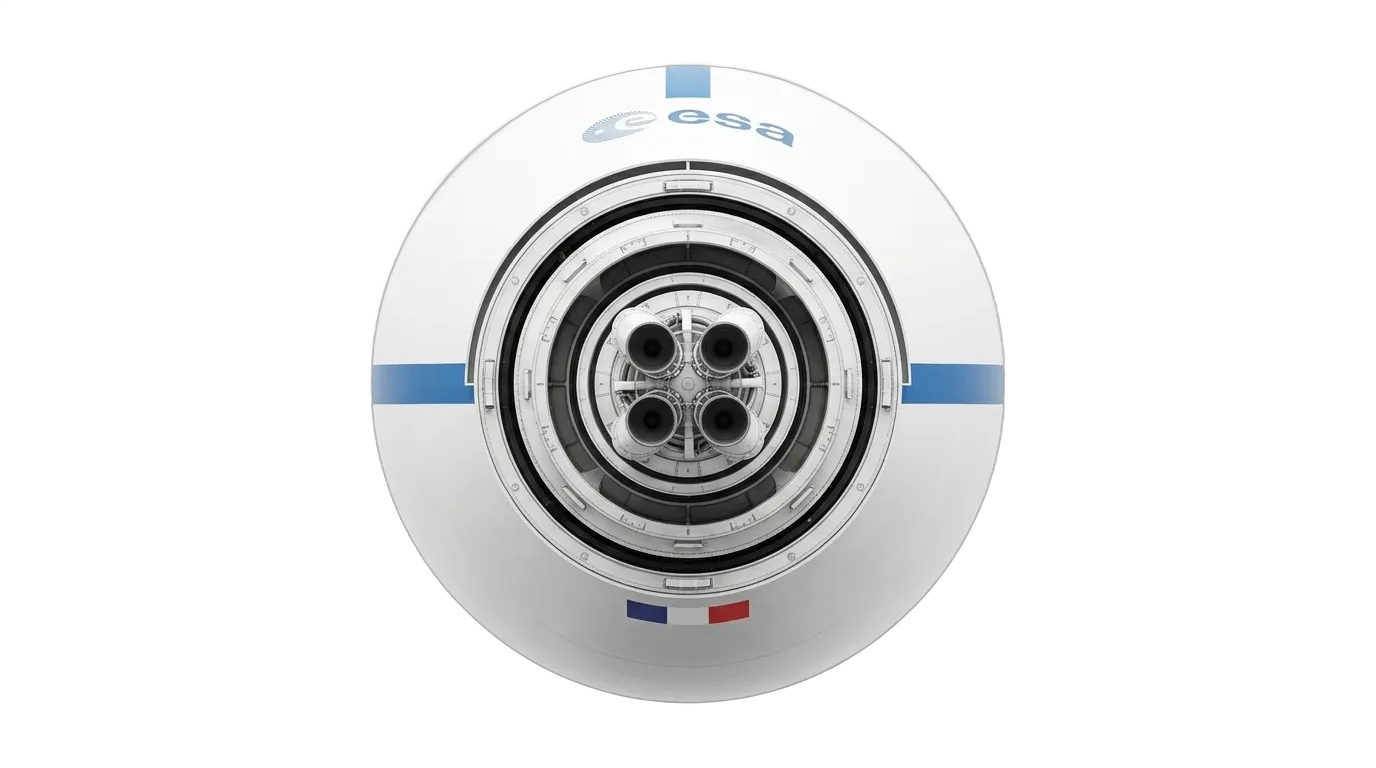
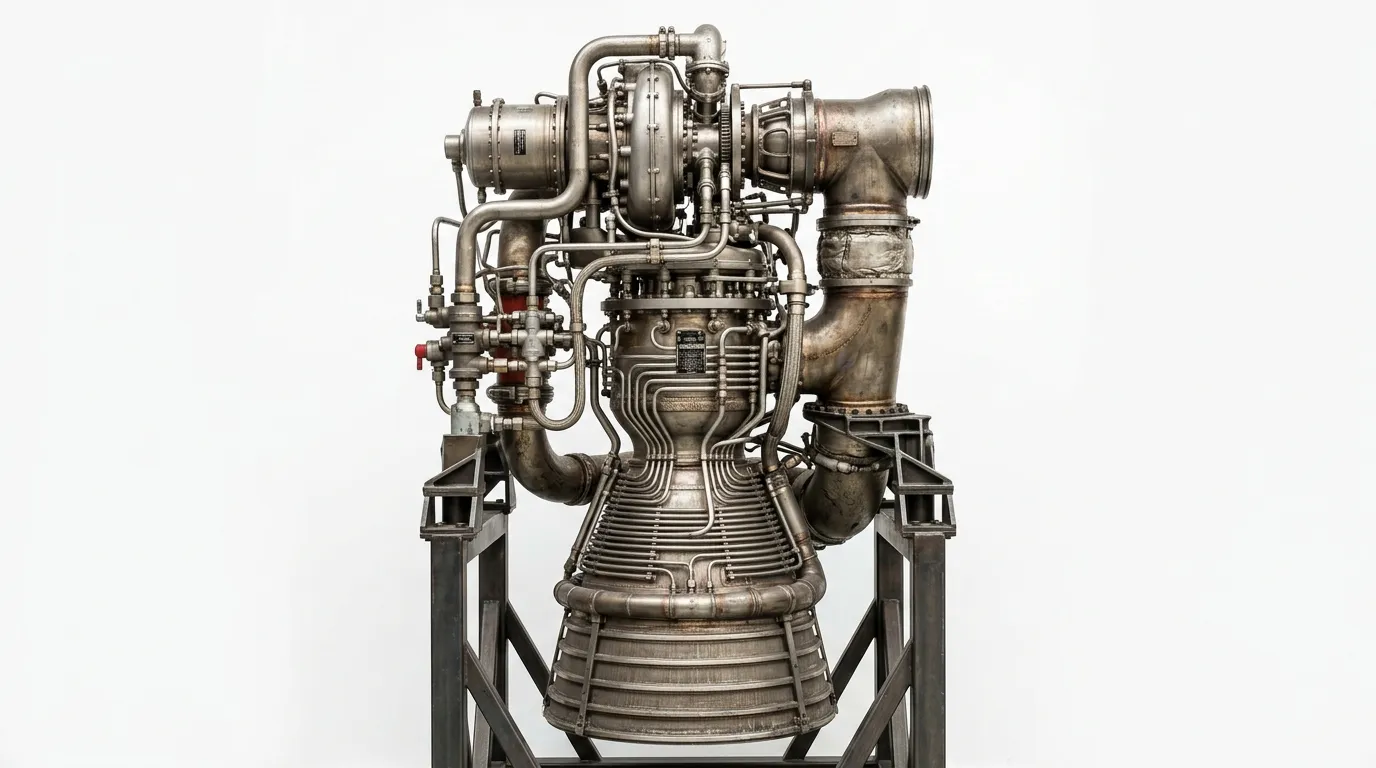
The first European orbital launch vehicle, giving Europe independent access to space. Ariane 1 launched from Kourou, French Guiana, establishing the equatorial launch site that remains Europe''s spaceport today.
History
Ariane 1 was born from European determination to achieve independent access to space without relying on American or Soviet rockets. Development began in the early 1970s under French leadership, with contributions from ten European nations.
The three-stage rocket used Viking engines burning UDMH and nitrogen tetroxide on its first and second stages, and a cryogenic HM7 engine burning liquid hydrogen and liquid oxygen on its third stage. The choice of the Guiana Space Centre in Kourou, French Guiana, as the launch site provided the advantage of being near the equator, giving rockets a significant boost from Earth''s rotation.
Ariane 1''s first flight on December 24, 1979, was successful, placing a test satellite in orbit. It went on to fly 11 missions between 1979 and 1986, with 9 successes. While its payload capacity was modest compared to American and Soviet rockets, Ariane 1 established Europe as an independent spacefaring entity and laid the foundation for the commercially dominant Ariane 4 and Ariane 5 that followed.
Timeline
Launch Heritage
- CAT-1 L01
- Giotto
- SPOT 1
Technical Specifications
Tags
Designed by CNES / Airbus