Galileo
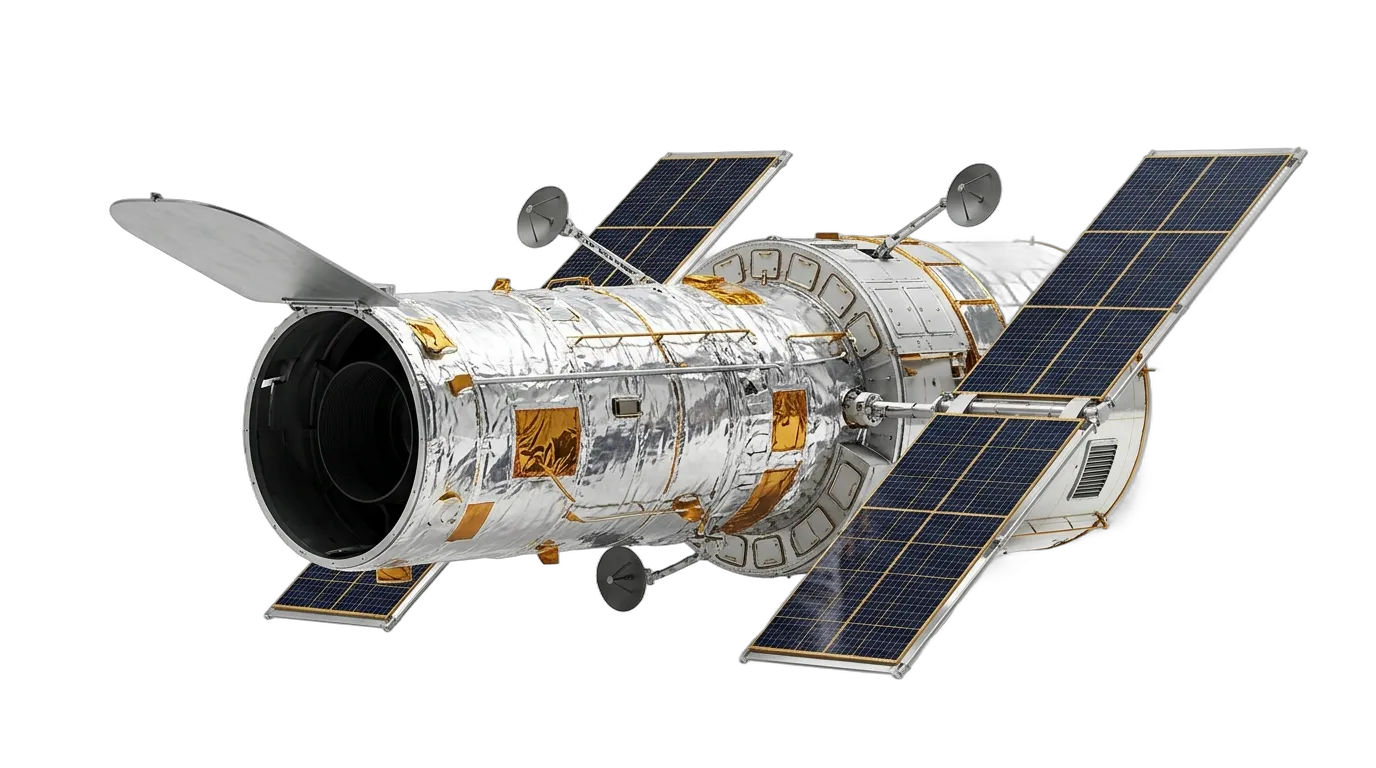
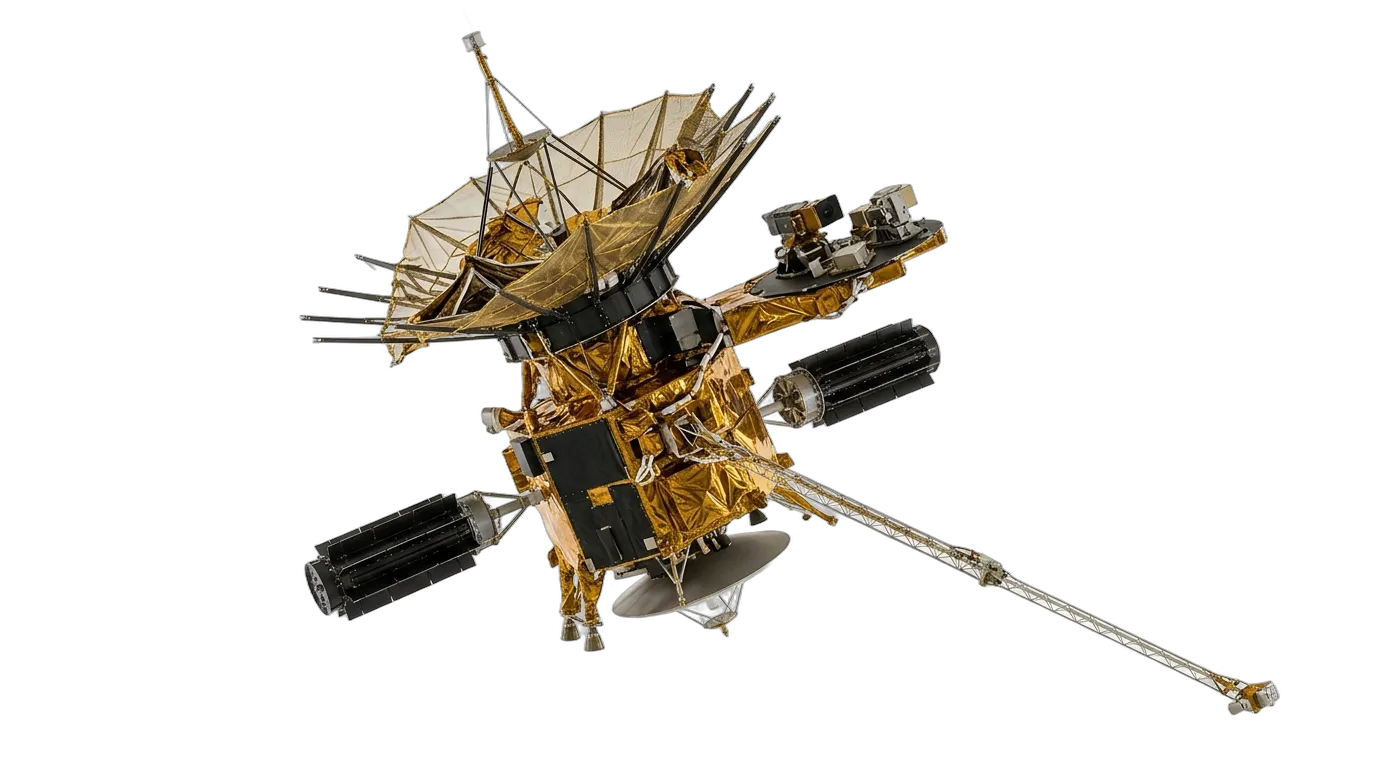
The first spacecraft to orbit Jupiter and the first to deploy an atmospheric probe into a gas giant. Galileo discovered evidence of subsurface oceans on Europa, Ganymede, and Callisto, transforming our understanding of where life might exist in the solar system.
History
Galileo launched from the Space Shuttle Atlantis in October 1989 and reached Jupiter in December 1995 after a six-year journey that included gravity assists from Venus and Earth. Before entering Jupiter orbit, it released an atmospheric probe that descended into Jupiter''s clouds, transmitting data for 58 minutes before being crushed by pressure.
The atmospheric probe found less water than expected in Jupiter''s atmosphere and measured wind speeds exceeding 400 mph. But Galileo''s most profound discoveries came from its observations of Jupiter''s four large moons.
At Europa, Galileo detected a magnetic field that could only be explained by a global ocean of saltwater beneath the moon''s icy crust. At Ganymede, it discovered the first magnetic field ever detected around a moon. At Callisto, magnetic field measurements suggested another subsurface ocean. These discoveries transformed Europa from an obscure icy moon into one of the most compelling targets for the search for extraterrestrial life.
Galileo also observed Io''s volcanic activity in far greater detail than the Voyager flybys, documenting eruptions, lava flows, and surface changes between visits. The spacecraft was deliberately plunged into Jupiter''s atmosphere on September 21, 2003, to prevent any possibility of contaminating Europa with Earth microbes.
Timeline
Launch Heritage
- Jupiter orbit insertion
- Europa ocean evidence
- Atmospheric probe
- Shoemaker-Levy 9 observation
Technical Specifications
Tags
Designed by NASA / JPL